1,295 days in prison
and days of judicial persecution
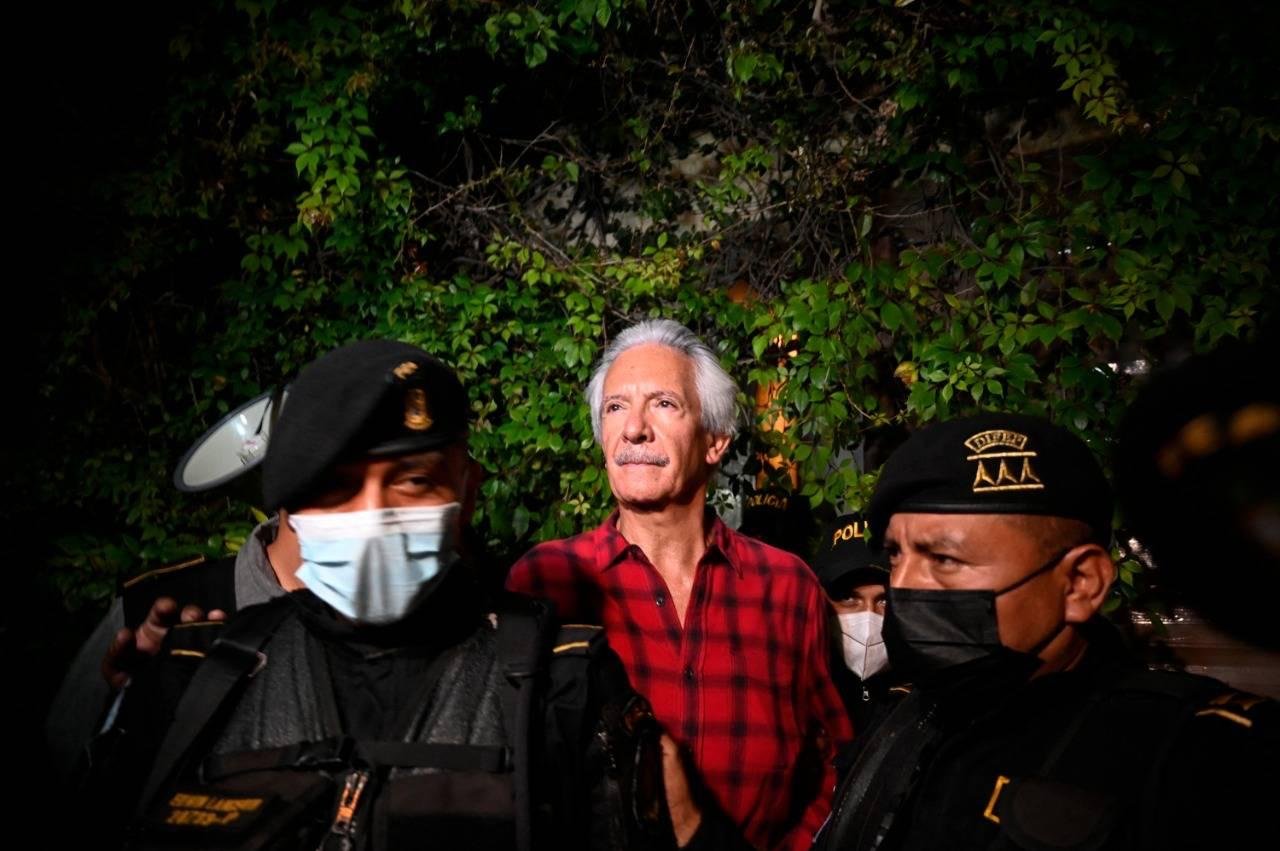
Arrested on July 29, 2022. Released from prison on February 12, 2026, he remains under house arrest.
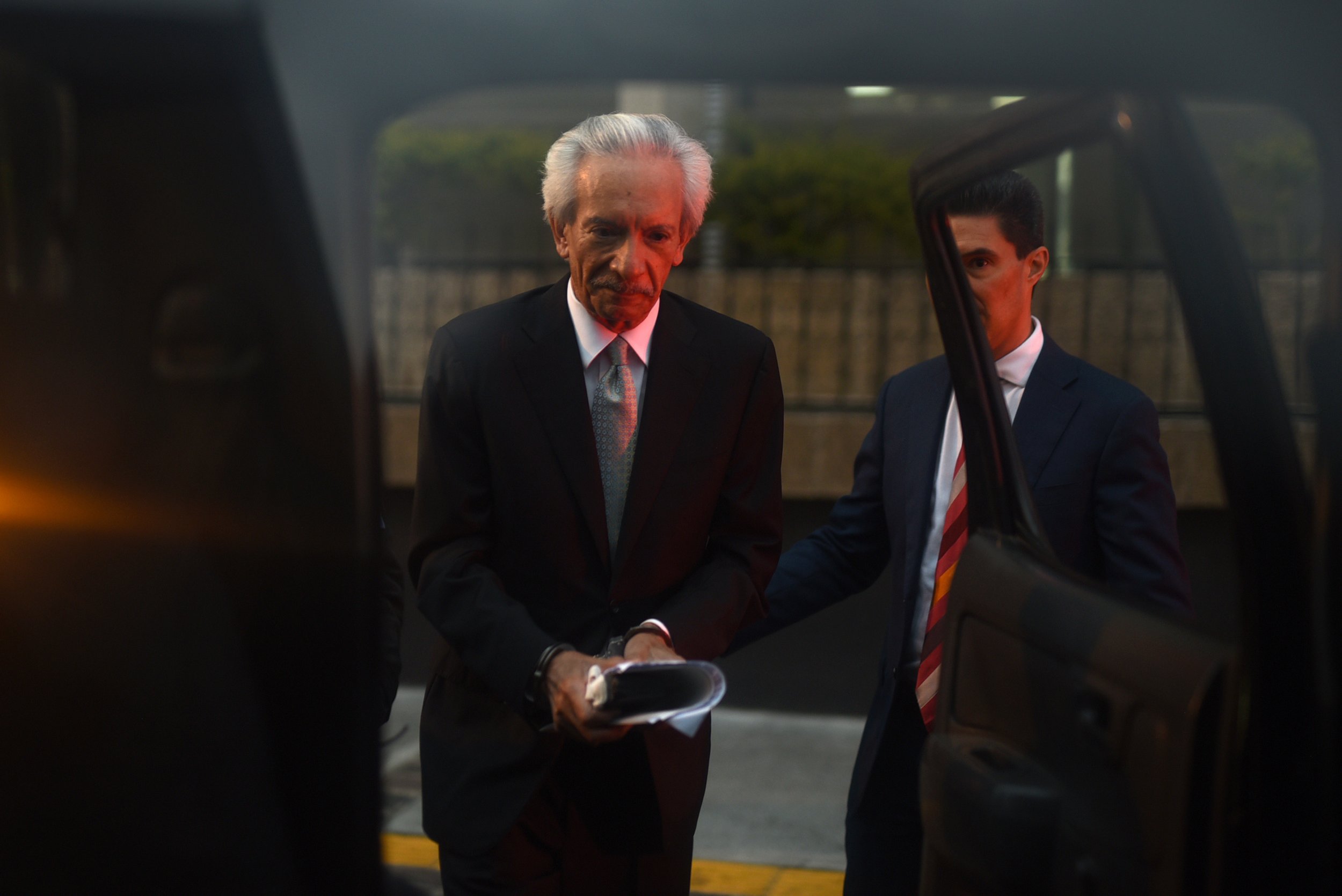
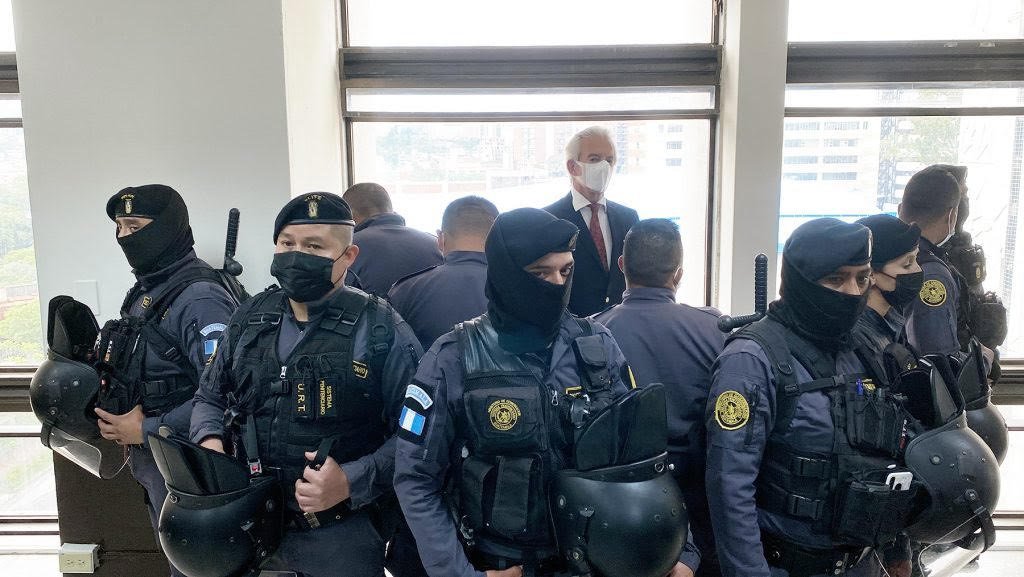
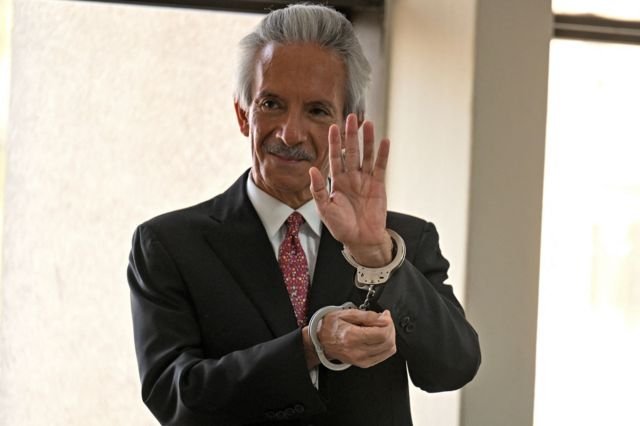
The founder of elPeriódico, José Rubén Zamora, spent 1,295 days in prison in Guatemala, from July 29, 2022, to February 12, 2026, without a final conviction.
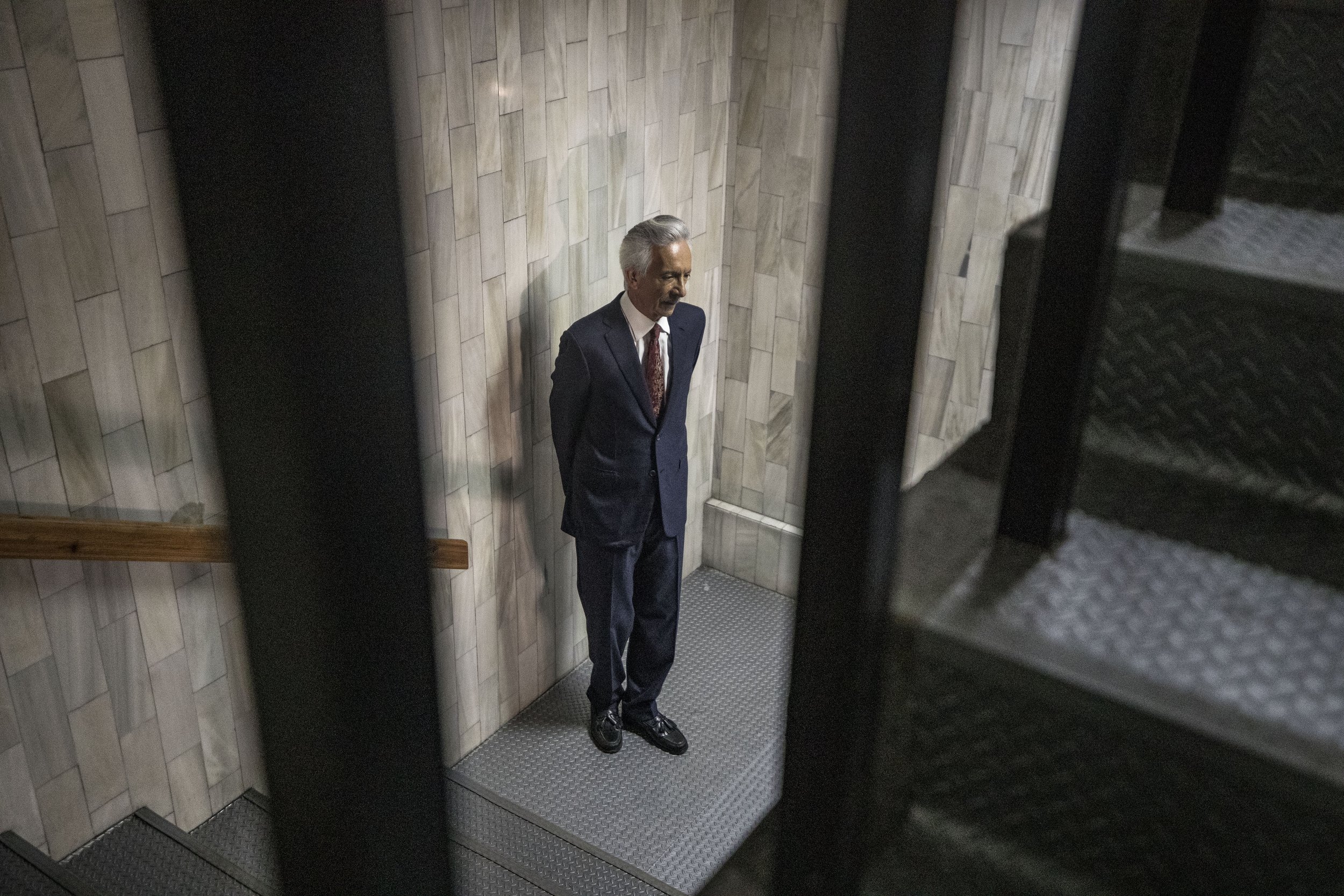
Leaving prison is not freedom: he remains under house arrest, barred from leaving the country, and faces three open criminal cases. The only conviction ever handed down against him, for money laundering, has been annulled twice. The retrial remains stalled by recusal motions while the Criminal Chamber of the Supreme Court of Justice has yet to rule.
The United Nations found his deprivation of liberty arbitrary and in violation of the Universal Declaration of Human Rights.
His persecution has been widely condemned internationally by press freedom and human rights organizations, who see it as retaliation for his reporting on then-President Alejandro Giammattei and Attorney General Consuelo Porras.
His 2023 conviction followed a spurious case and a trial plagued by irregularities and violations of due process, including the judge's refusal to admit exculpatory evidence crucial to the defense.
"The most appropriate course of action would be to release Mr. Zamora without delay and to grant him an effective right to compensation and other forms of reparation in accordance with international law."
Grupo de Trabajo sobre la Detención Arbitraria / Naciones Unidas
#FreeZamora
How can you help?
Please help us advocate for Jose Ruben Zamora's release by sharing his story on social media using the hashtags #ZamoraLibre and #FreeZamora.
Suggested messages:
Journalist #JoseRubénZamora spent 1,295 days in prison in Guatemala without a final conviction. He remains under house arrest and faces three open cases. The UN declared his detention arbitrary. It is time to close the cases against him. #FreeZamora
Leaving prison is not freedom. #JoseRubénZamora remains under house arrest and barred from leaving the country while his case stalls in recusal motions. End the judicial persecution. #FreeZamora
Journalism is not a crime. The persecution of #JoseRubénZamora is a direct attack on press freedom. All charges must be dropped. #FreeZamora
His only conviction has been annulled twice. Full freedom for #JoseRubénZamora, a defender of truth and freedom of expression. #FreeZamora
Case timeline
From July 29, 2022, to September 2026. Swipe or use the arrows to move through the timeline.
-
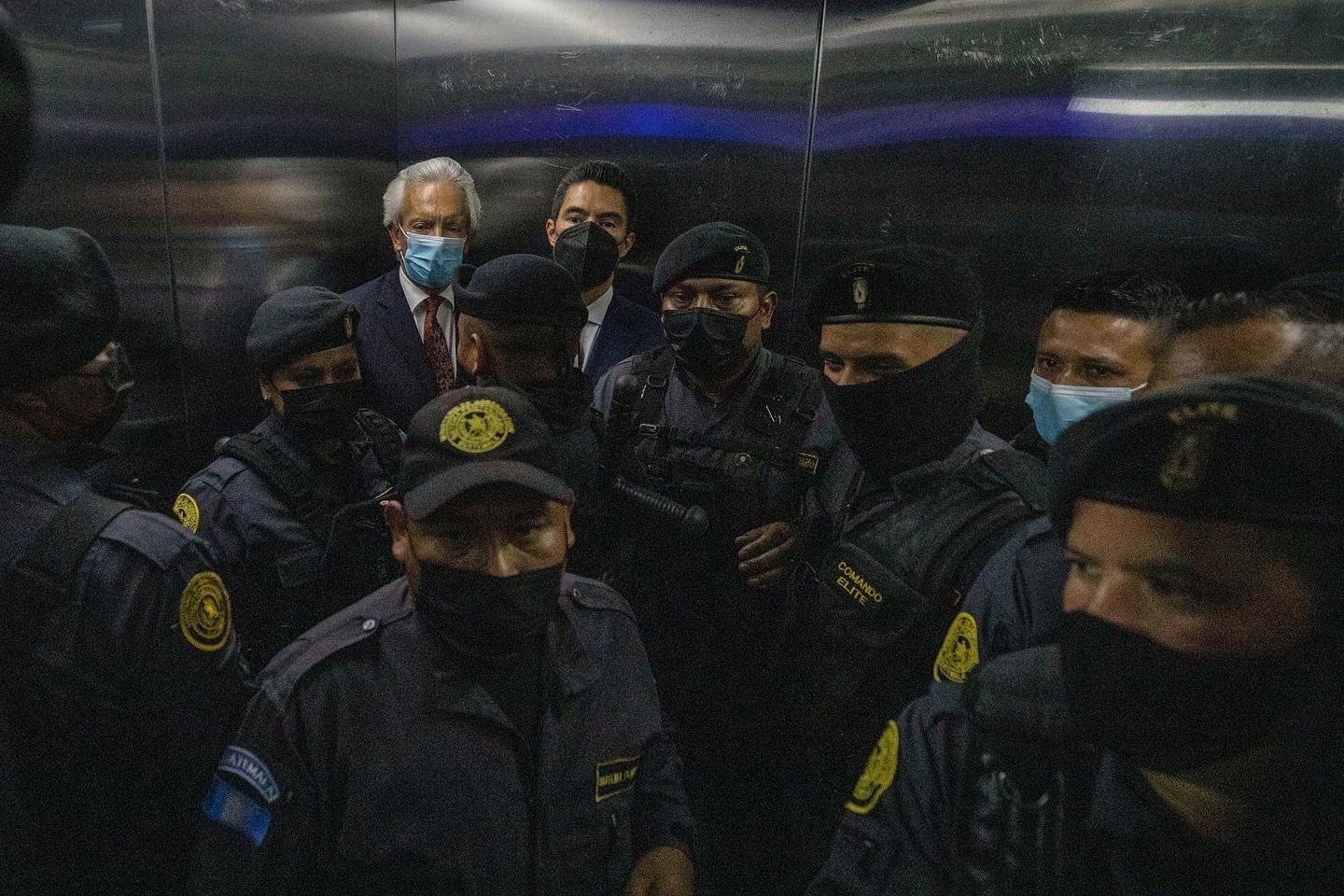
He is arrested at his home. Police and prosecutors raid his residence and elPeriódico's offices.
Sources: The New York Times · CPJ
-
Judge Fredy Orellana indicts him for money laundering, blackmail and influence peddling, and orders pretrial detention.
Source: Agencia Ocote
-
Mario Castañeda, one of his former lawyers, is arrested and accused of conspiring to obstruct justice.
Source: Publinews
-
At prosecutors' request, a judge orders an investigation into elPeriódico journalists and columnists over their coverage of the case.
Source: Prensa Libre
-
Juan Francisco Solórzano Foppa and Justino Brito, who had been his defense lawyers, are arrested. In all, four of his lawyers were jailed.
Source: Prensa Libre
-
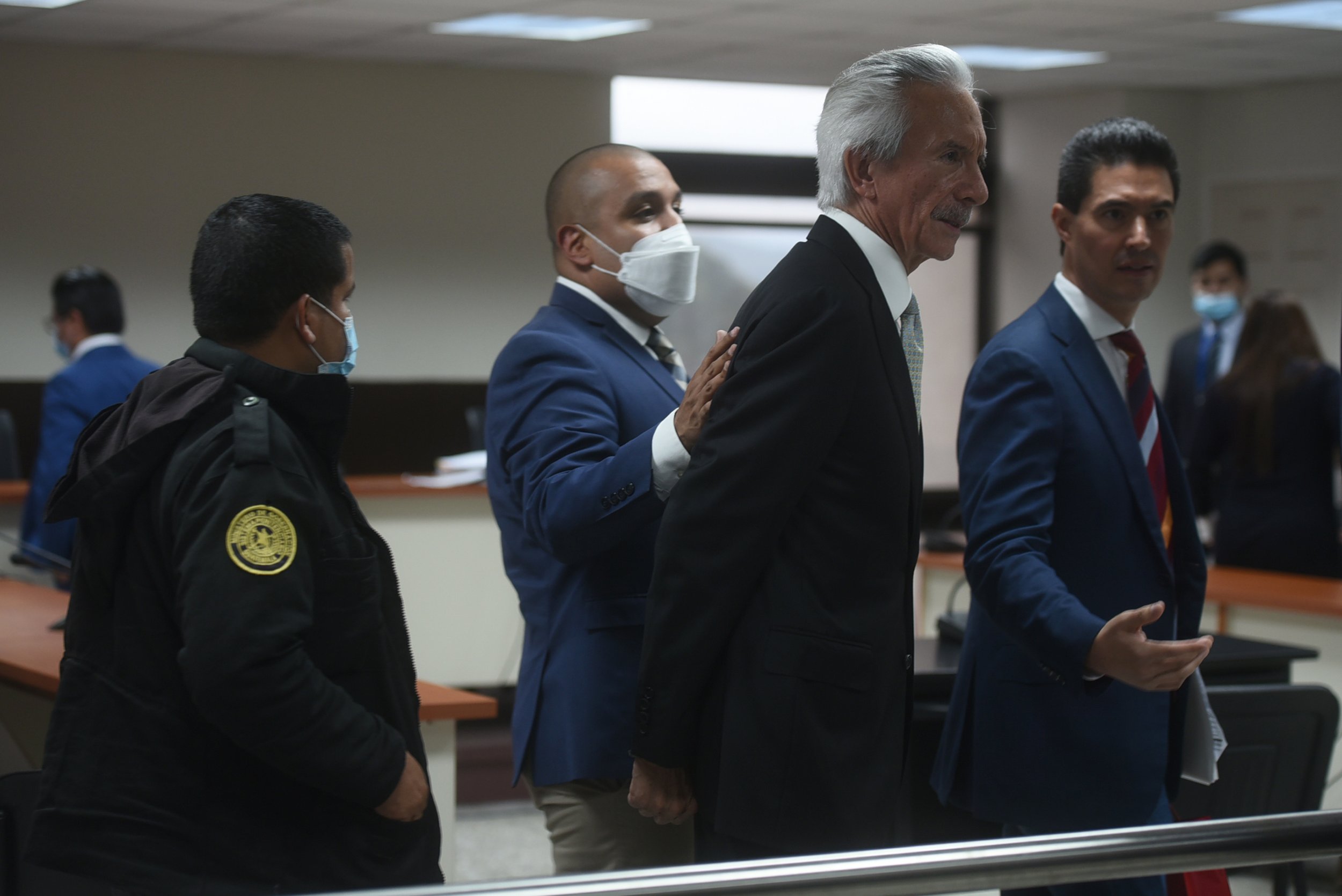
His trial begins before the Eighth Criminal Sentencing Court.
Source: Prensa Comunitaria
-
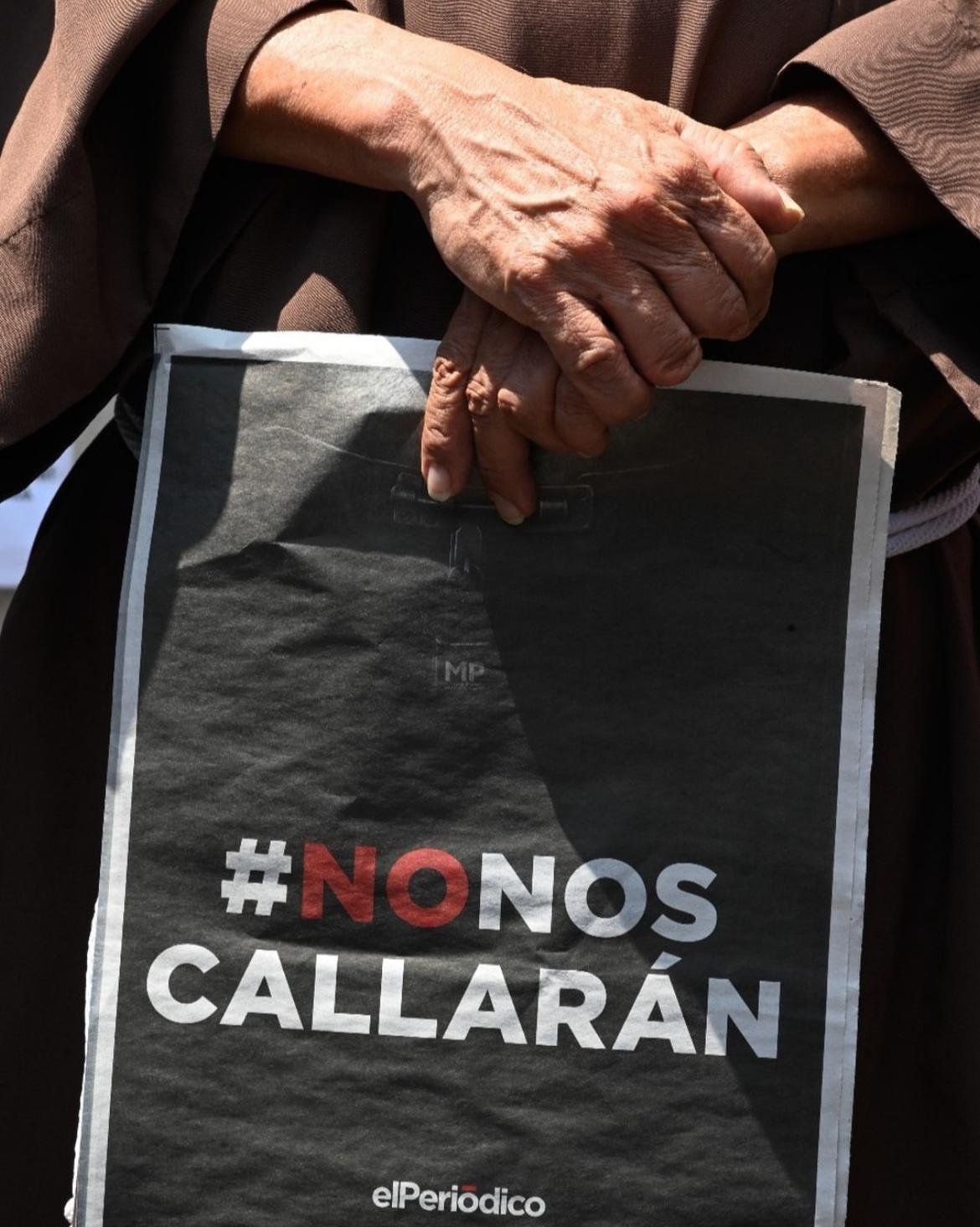
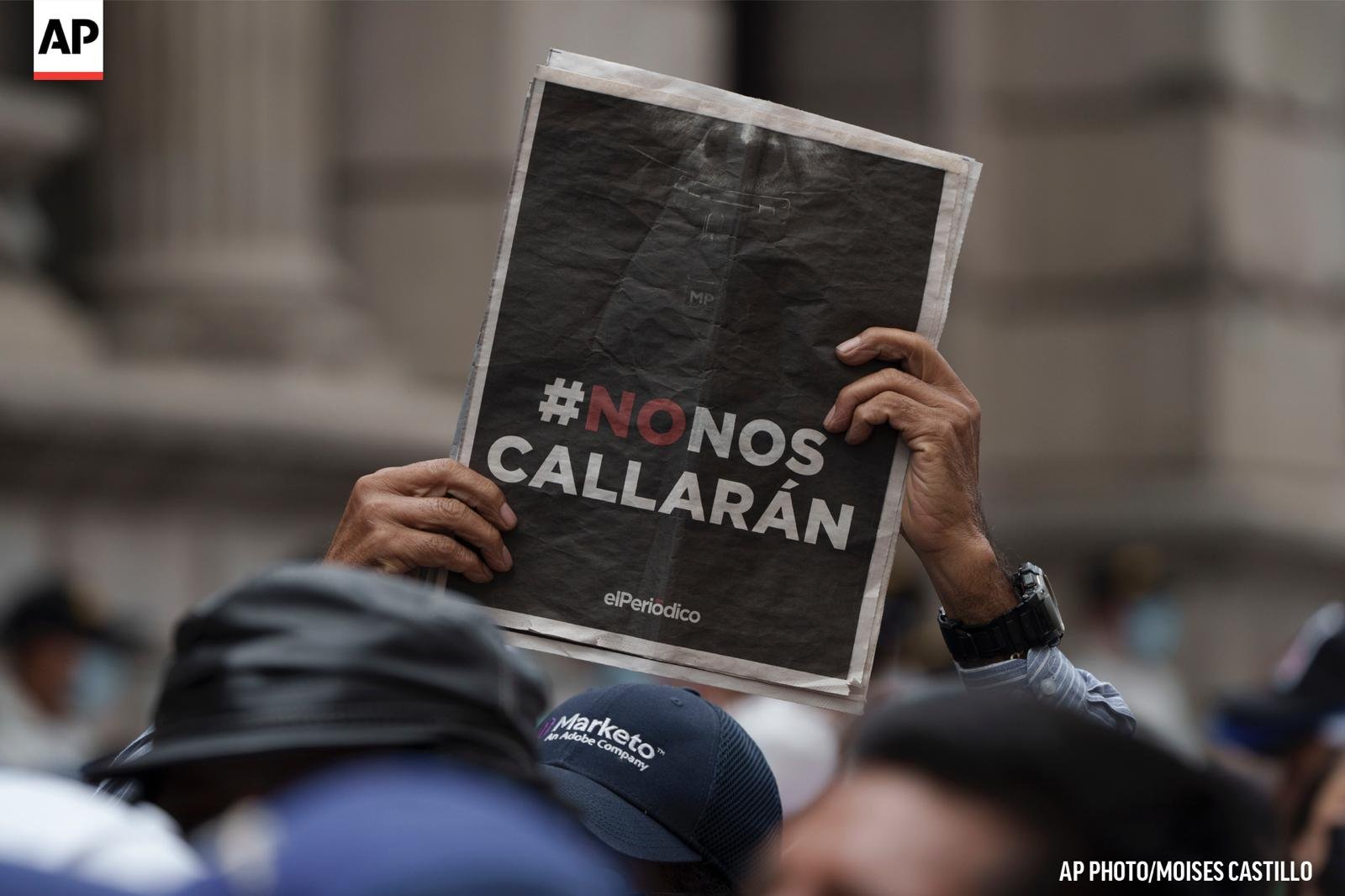
elPeriódico publishes its final edition and shuts down after almost 27 years under government pressure.
Sources: The New York Times · CPJ
-
He is sentenced to six years in prison for money laundering and acquitted of blackmail and influence peddling. Prosecutors had sought 40 years.
Sources: Prensa Libre · CPJ
-
The Second Court of Appeals annuls the conviction and orders a retrial. He nevertheless remains in prison.
Source: Prensa Libre
-
The American Bar Association concludes that his trial was “fundamentally unfair” and that he should never have been prosecuted.
Source: American Bar Association
-
The Clooney Foundation for Justice's TrialWatch report grades the trial an F and finds the charges appear to be retaliation for his journalism.
Source: TrialWatch
-
Independent expert Carlos Beristain documents, using the Istanbul Protocol, that Zamora has suffered torture and inhumane treatment.
-
He is granted alternative measures in the money laundering case but stays in prison because of another of the cases against him.
Source: La Hora
-
The UN Working Group on Arbitrary Detention declares his detention arbitrary and calls for his immediate release.
Sources: United Nations · El País
-
His legal team files an urgent appeal with the UN Special Rapporteur on torture.
Source: CPJ
-
Amnesty International declares him a prisoner of conscience.
Source: Amnesty International
-
Six UN Special Rapporteurs warn that nearly 20 months of solitary confinement in near-constant darkness could amount to torture.
Source: Doughty Street Chambers
-
After 813 days in prison, he leaves Mariscal Zavala under house arrest, granted by a judge in the second case against him.
Sources: La Hora · Prensa Libre
-
The Second Court of Appeals revokes his alternative measures in the money laundering case and orders him back to prison.
Source: CPJ
-
The Supreme Court of Justice grants him a provisional amparo that prevents his return to prison in the money laundering case.
Source: LatAm Journalism Review
-
He is returned to Mariscal Zavala prison after the Third Court of Appeals annuls his house arrest. The judge who carried out the order reports threats.
Source: CPJ
-
The IACHR and UN Special Rapporteurs express concern about his return to prison and threats against justice officials.
Source: IACHR
-
U.S. Senator Dick Durbin calls on the Senate floor for his release and for the charges to be dropped.
Source: Senator Durbin
-
The Criminal Chamber of the Supreme Court finds that his right to a defense was violated and sends the money laundering case back to the Court of Appeals.
Source: LatAm Journalism Review
-
The Inter-American Commission on Human Rights, which holds precautionary measures in his favor, meets with him during its session in Guatemala.
Source: IACHR
-
The Supreme Court of Justice grants him a definitive amparo, voiding the rulings that would have sent him back to prison. Prosecutors appeal.
Source: LatAm Journalism Review
-
Zamora reports that prosecutors are seeking a new arrest warrant against him over a 2021 story about the “magic carpet.”
Source: LatAm Journalism Review
-
The Constitutional Court accepts the prosecutors' withdrawal and closes the case against eight elPeriódico journalists and columnists, opened in 2023 over their coverage.
Source: Prensa Comunitaria
-
The Second Court of Appeals annuls his money laundering conviction for a second time and orders a retrial. The Constitutional Court makes his alternative measures final.
Sources: LatAm Journalism Review · Prensa Libre
-
A study by Harald Waxenecker published by the Reuters Institute analyzes 675,835 posts on X and finds that 44 accounts drove a coordinated campaign to frame his journalism as a crime.
Source: Reuters Institute






The case against José Rubén Zamora Marroquín
The case against Jose Ruben Zamora was fabricated in 72 hours by a prosecutor that the U.S. State Department has included in its list of corrupt and anti-democratic actors.
To this day, the Attorney General's Office has not presented concrete evidence. Guatemala's attorney general and head of the Public Prosecutor's Office has also been included twice on the U.S. State Department’s list of corrupt and undemocratic actors and is banned from entering 42 countries.
The entire process against Zamora has been an absolute violation of due process, focused on ensuring he was left defenseless. He is accused of crimes that are neither proven nor typified.
The government persecuted his lawyers, imprisoning four of them, forcing Zamora to have ten different lawyers, making it impossible to have a legal strategy and denying his defenders timely access to the case file.
His key witness and evidence was not allowed to be included in the process; his witness was also persecuted.
Two of the charges on which the case was created were dropped, but the court still changed the narrative to convict him, without considering testimony and evidence that could absolve and free him.
Zamora was not allowed to make his closing argument.
About José Rubén Zamora Marroquín
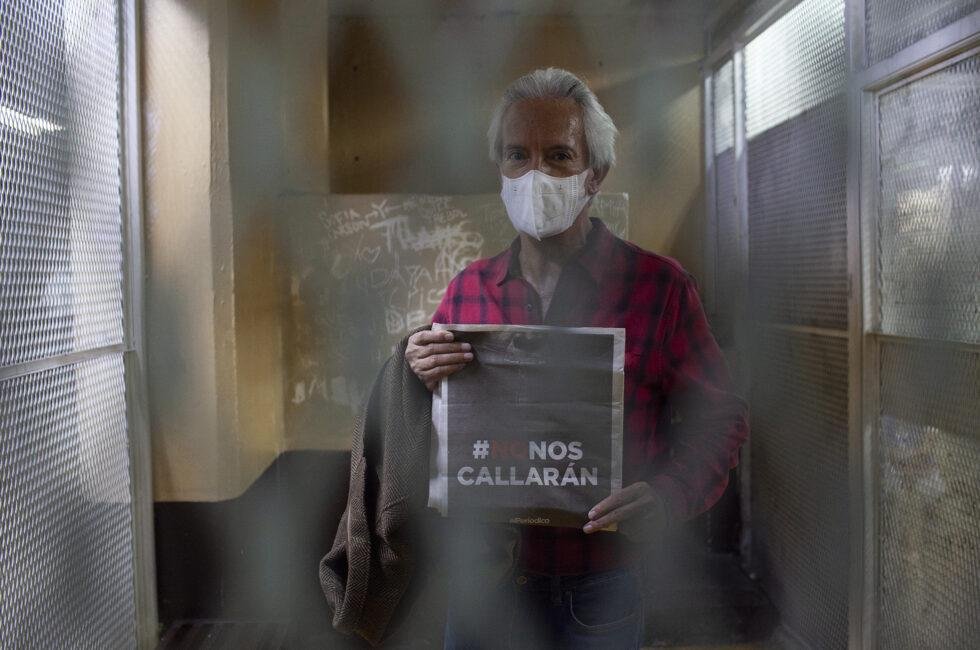
José Rubén Zamora Marroquín is an industrial engineer, entrepreneur and founder of three Guatemalan newspapers:
Siglo Veintiuno in 1990
elPeriódico de Guatemala in 1996
Nuestro Diario in 1998
Awards and distinctions
Maria Moors Cabot Prize, Columbia University, New York, 1995.
International Press Freedom Award, Committee to Protect Journalists (CPJ), New York, 1995.
One of the 50 World Press Freedom Heroes of the 20th Century, International Press Institute (IPI), Boston, May 2000.
ICFJ Knight International Journalism Award, International Center for Journalists, Washington, November 2003.
King of Spain International Journalism Award to elPeriódico as Outstanding Media Outlet in Ibero-America, accepted by José Rubén Zamora, Madrid, June 2021.
RSF Press Freedom Prize for Independence, Reporters Without Borders, Brussels, November 2023.
Gabo Award for Excellence, Fundación Gabo, May 2024.
16th Antoni Traveria Prize for Freedom of Expression in Ibero-America, Casa Amèrica Catalunya, Barcelona, September 2025.
Albie Award, Clooney Foundation for Justice, London, October 2025.
Hermann Kesten Prize 2026, PEN Germany. To be presented on November 24, 2026, in Darmstadt.
Explore his career and the investigations that shaped the fight against corruption in Guatemala.
About elPeriódico
elPeriódico de Guatemala stood out for its tireless fight against corruption and impunity in the country. For more than 25 years, it defended freedom of expression, pluralism, public debate, tolerance, the rule of law, transparency, human rights, inclusion and democracy. Its investigative work revealed abuses of power and corruption among Guatemala's political and economic leaders, who often favor authoritarianism and monopolies. It also played a crucial role in denouncing and exposing the links between organized crime and the government.
At the time of Zamora's arrest, elPeriódico had published stories pointing to 144 cases of corruption during the administration of then-President Eduardo Giammattei. Some of the most notorious involved corruption in purchasing vaccines for COVID-19 and bribes to Guatemalan officials doing business with Russian miners.